The 8 Core Principles to Make Your Practitioner Training Trauma-Informed
Elevate Your Work, Increase Trustworthiness And Safety And Become Known For Excellence In Your Field.
The 8 Core Principles to Make Your Practitioner Training Trauma-Informed
Elevate Your Work, Increase Trustworthiness and Safety and Become Known for Excellence in Your Field.
If you’re developing (or refining) your own practitioner training…
and you care deeply about doing it well,
This guide is for you.
You already know trauma impacts how students learn, embody, and practice.
You may have supported clients through profound healing experiences
But now you’re stepping into training others.
And that requires a different level of clarity, safety, and structure.

Who This Is For:

Practitioners creating their first training
Experienced facilitators ready to raise the standard
Embodied leaders who want their modality to be loved — and safe
Those who care about impact as much as integrity
This free guide will show you:
How to reduce the risk of harm or retraumatisation in your groups
Which trauma-informed frameworks to integrate into your training without having to become a trauma therapist
What to include to create learning environments that support regulation, safety, and integration
Why just saying “we don't deal with trauma here” is not enough to create an integrative, safe environment
What you need to stay within clear professional scope
How to make your program stand out in your field
This Guide is Not:
A guide for those wishing to run a trauma healing modality or clinical trauma certification
For leaders who prefer to “trust the process” without understanding nervous system impact
A script or formula to follow without an embodied human dimension
Who Wrote this Guide?
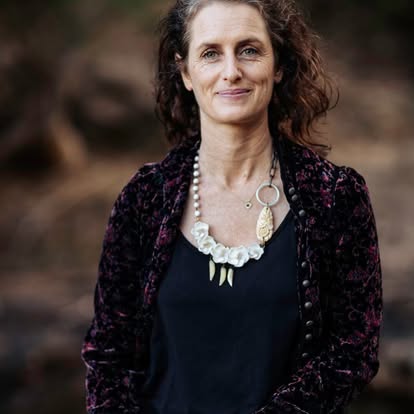
Amanda Patterson is the developer of the Somatic Soul Method, the Trauma Informed Practitioner and Mastering Trauma Informed Leadership Certification (recognised by IICT).
She is a Somatic Experiencing Practitioner and attachment therapist with over 23 years experience working with groups, 1:1 clients, and mentoring course creators and practitioners looking to expand and elevate their work to be trauma-informed and full of soul.
“Amanda has a way of translating trauma concepts into language that feels usable. My training feels calmer, more respectful, and more likely to land well with staff under stress. Working with Amanda has reduced my internal stress because I’m not second-guessing whether the content could be harmful or mis-framed. I feel clearer in my voice and more anchored in what really matters. She has a rare blend of deep trauma expertise + calm steadiness + practical precision”.